
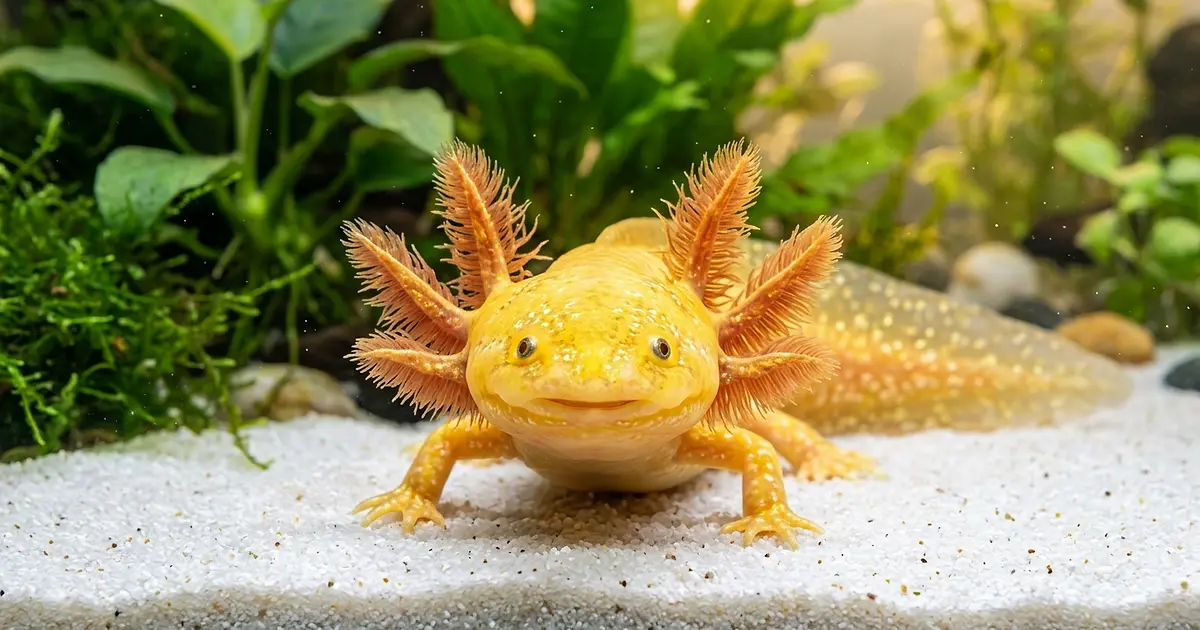
The golden axolotl is one of the warmest and most visually appealing morphs in the hobby. Its rich yellow-gold coloring, bright pink gills, and distinctive red eyes set it apart from other light-colored axolotls.
Appearance
Golden axolotls display a warm yellow to deep orange-gold body color that makes them easy to identify at a glance. The intensity of the color varies between individuals, from pale butter yellow to a striking deep gold.
Physical characteristics:
- Body: yellow, gold, or orange-tinged, sometimes with faint gold speckles
- Eyes: red or pink (albino trait, no melanin in the iris)
- Gills: pinkish-red, often with a subtle golden tint at the base
- Belly: lighter than the back, pale yellow to white
- Skin texture: slightly translucent, smooth
Under different lighting conditions, the golden color can appear more or less intense. Natural daylight tends to bring out the richest tones, while cool-toned LED lighting can make them appear paler.
Why Golden Axolotls Are Gold
The golden color comes from a combination of two genetic factors:
- Albinism (the “a” gene): removes all melanin (black/brown pigment), including from the eyes
- Active xanthophores: yellow pigment cells that remain functional and produce the warm coloration
In a white albino axolotl, xanthophores are less active, resulting in a pale white appearance. In a golden albino, these same cells are highly active, flooding the skin with yellow-gold pigment.
This is not a separate morph gene from albinism. Rather, it represents a natural variation in xanthophore activity within the albino population. Some breeders selectively breed for more intensely golden animals, which has increased the average color saturation over generations.
Golden Axolotl vs Other Light Morphs
| Feature | Golden Axolotl | White Albino | Leucistic |
|---|---|---|---|
| Eye color | Red/pink | Red/pink | Dark (black/brown) |
| Body color | Yellow-gold-orange | White-pink | White-pink |
| Xanthophores | Very active | Less active | Reduced |
| Dark spots | Never | Never | May develop |
| Light sensitivity | Increased | Increased | Normal |
| Melanin | Absent | Absent | Present in eyes |
The easiest way to distinguish a golden axolotl from a leucistic is by eye color. If the eyes are red or pink, it is an albino (golden or white). If the eyes are dark, it is leucistic.
Color Development Over Time
Golden axolotls go through noticeable color changes as they grow:
| Age | Typical Appearance |
|---|---|
| Hatchling (0-2 months) | Very pale, barely yellow |
| Juvenile (2-6 months) | Light yellow, color becoming visible |
| Sub-adult (6-12 months) | Moderate gold, eyes clearly red |
| Adult (12+ months) | Full gold intensity, may deepen further with age |
Some adults develop an almost orange hue, particularly along the back and tail. This deepening often continues gradually throughout their lives.
Diet and Color Enhancement
The golden coloration can be influenced by diet. Foods containing carotenoids (natural pigments found in many organisms) support and can mildly enhance the yellow-gold color:
Foods that support golden color:
- Bloodworms (moderate carotenoid content)
- Salmon-based pellets
- Brine shrimp (occasional treat)
Primary staple food (always):
- Earthworms (nightcrawlers) remain the best overall food for axolotl health regardless of morph
Diet enhancement is a subtle, long-term effect. A healthy axolotl with good genetics will develop strong color regardless of diet, but the right foods can support the process.
Care Requirements
Golden axolotls share the standard axolotl care requirements with one consideration: light sensitivity due to their albino eyes.
Standard care:
- Temperature: 16-20 degrees Celsius
- pH: 6.5-8.0
- Ammonia and nitrite: 0 ppm
- Nitrate: under 20 ppm
- Diet: earthworms (primary), pellets, bloodworms (supplement)
- Tank: minimum 75 liters with hides
Light-specific care:
- Avoid strong direct overhead lighting
- Provide shaded areas using hides, caves, or floating plants
- Dim or indirect lighting brings out the best color while keeping the animal comfortable
- LED lights on a timer (8-10 hours on, rest off) work well
Golden axolotls tend to be more active in dimmer conditions, which is typical for all albino morphs.
Price and Availability
| Variant | Typical Price |
|---|---|
| Standard golden axolotl | $40-75 |
| High-color golden (selectively bred for intense gold) | $60-100 |
| GFP golden axolotl | $60-110 |
Golden axolotls are widely available from most breeders and many pet stores. They are not rare. Prices are slightly higher than white albinos due to their visual appeal, but they remain an affordable morph overall.
GFP golden axolotls are particularly interesting because the combination of golden body color and green fluorescence under UV light creates a unique visual effect.
Breeding Golden Axolotls
If both parents are golden albinos, 100% of offspring will be albino. Whether those offspring develop strong golden coloring depends on xanthophore activity, which is influenced by genetics (selective breeding) and to a lesser extent by environment and diet.
Breeding pairings and outcomes:
| Pairing | Offspring |
|---|---|
| Golden x Golden | 100% albino (gold intensity varies) |
| Golden x Wild Type (non-carrier) | 0% albino, 100% carry the “a” gene |
| Golden x Leucistic | Depends on whether leucistic carries “a” gene |
| Golden x Melanoid | Depends on genetic background, possible melanoid albino |
Health Considerations
Golden axolotls are not more prone to illness than any other morph. Their lighter coloration makes it easy to spot problems:
- Redness or irritation shows up clearly against the golden skin
- Fungal infections (white cottony patches) are visible early
- Gill condition is easy to monitor
The only practical concern is light sensitivity, which is managed through tank setup rather than medical intervention. With proper hides and moderate lighting, golden axolotls thrive just as well as any other morph.
For those who appreciate warm-toned axolotls, the copper axolotl is another morph worth exploring. It shares some visual similarities but has a completely different genetic background.
Frequently Asked Questions
Frequently Asked Questions
Is a golden axolotl the same as a golden albino?
Do golden axolotls change color as they age?
Can golden axolotls live with other morphs?
Related Articles
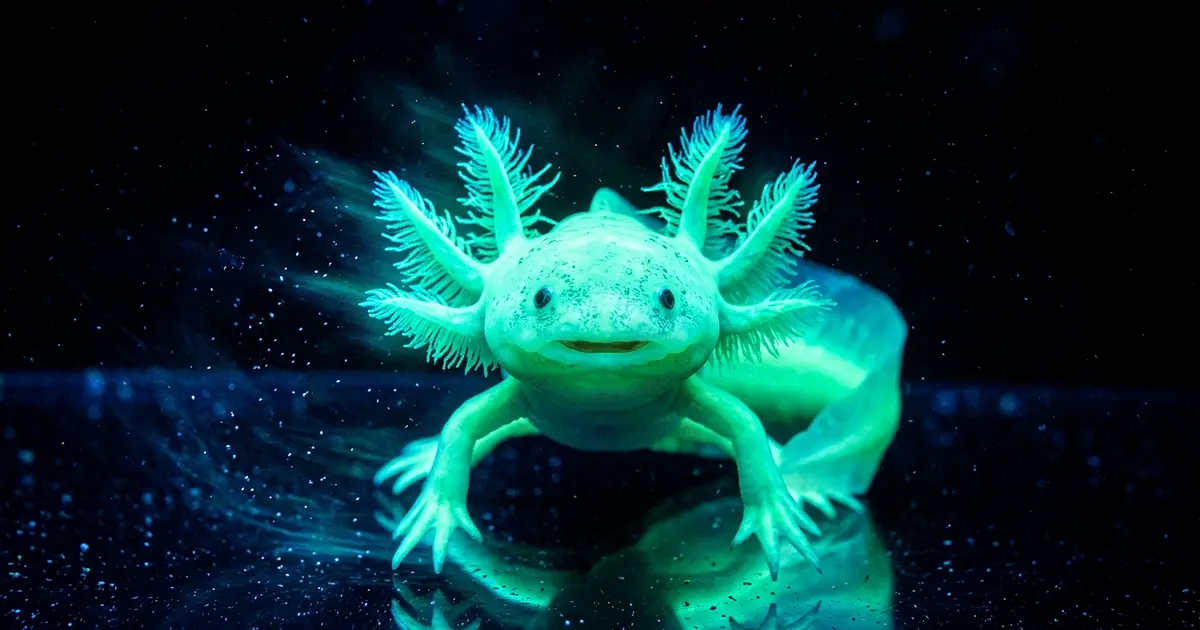
Blue Axolotl: Do They Really Exist?
The truth about blue axolotls. Learn why they appear blue in photos, what GFP means, and which axolotl morphs actually exist in real life.
Read more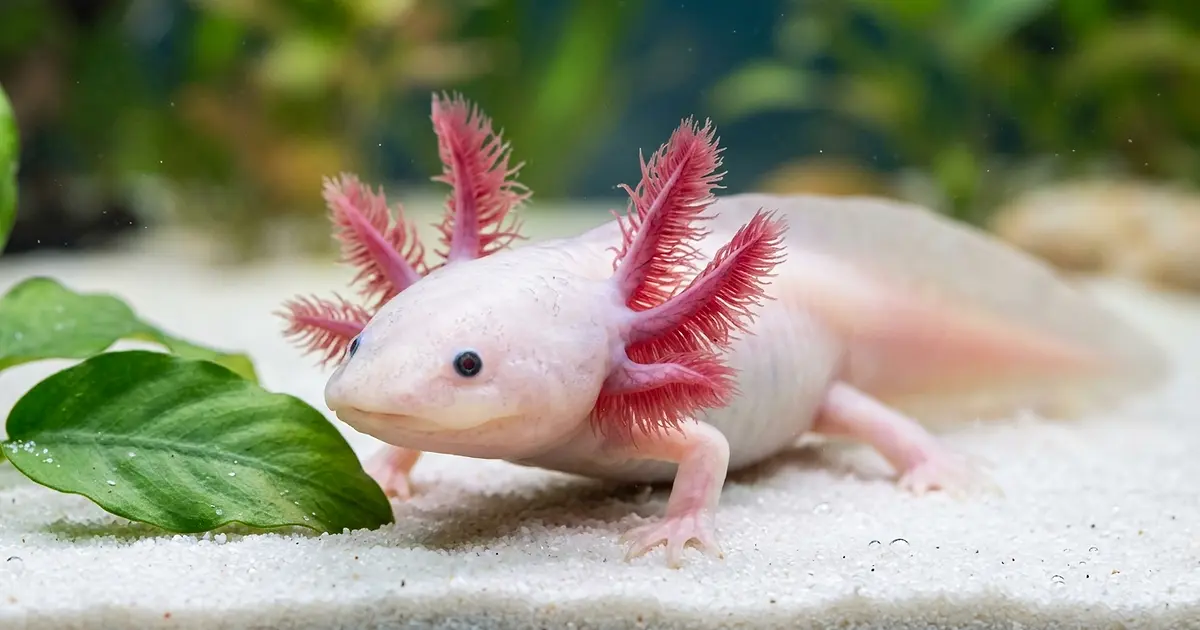
Leucistic Axolotl: The Most Popular Pet Morph
Leucistic axolotl (Lucy): the iconic pink-white morph with dark eyes. Appearance, genetics, dirty Lucy variant, albino comparison, pricing, and care tips.
Read more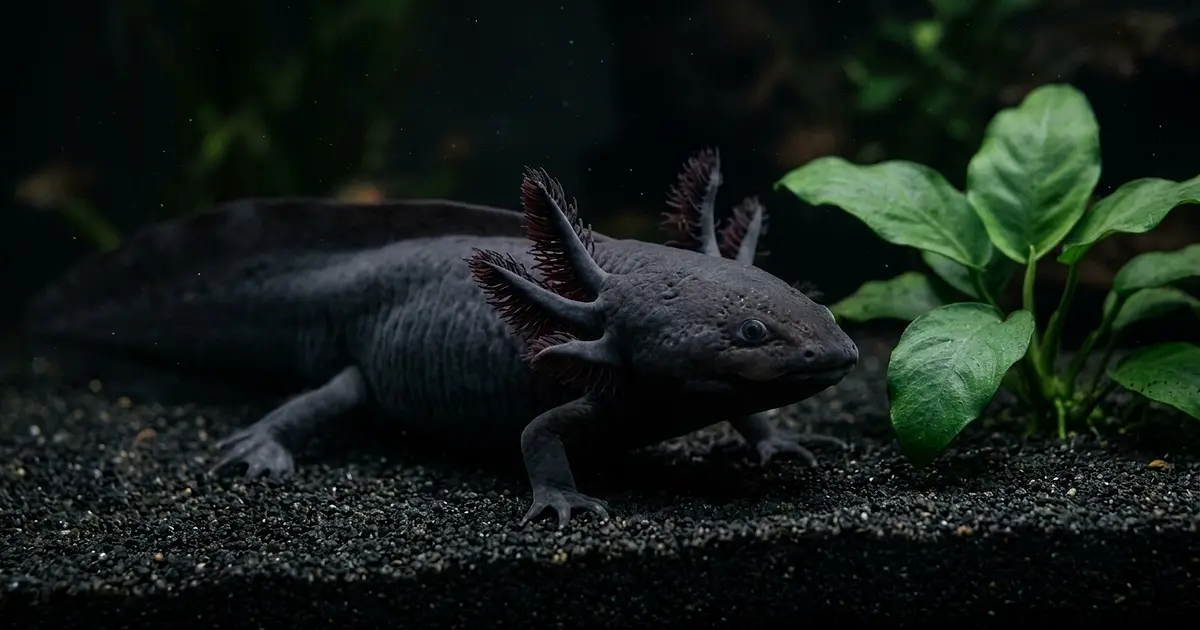
Melanoid Axolotl: The Black Morph Explained
Melanoid axolotl morph: solid black coloration without iridescent spots, melanoid genetics, matte appearance, pricing, and comparison with wild type.
Read more