
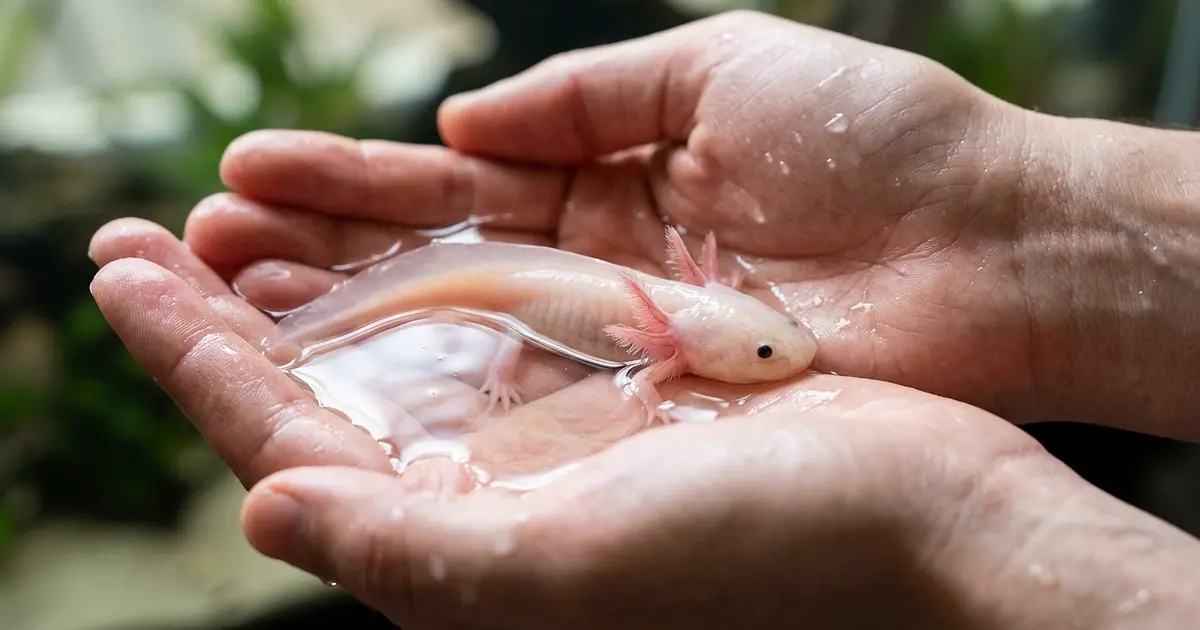
The short answer: you should not hold your axolotl. They are look-but-do-not-touch pets. Here is why, and what to do when handling is unavoidable.
Why You Should Not Handle Axolotls
Delicate skin: axolotl skin is covered in a protective slime coat (mucus layer) that acts as a barrier against bacteria and parasites. Human hands, even clean ones, strip away this coating. Damaged slime coat = higher infection risk.
Stress response: being lifted out of water triggers a severe stress response. Signs include curled gills, frantic swimming, and darkened color. Chronic stress weakens their immune system.
Temperature shock: your hands are around 37°C, axolotl water is 16-20°C. The temperature difference alone can cause distress.
Fragile limbs: axolotl legs and gills can be injured by even gentle gripping. While they can regenerate, preventing injury is always better.
When Handling Is Necessary
Sometimes you have no choice:
- Moving to a hospital tub for treatment (salt bath, fridging)
- Moving during a tank emergency (heater malfunction, cracked tank)
- Transferring to a new tank after setup
The Safe Way to Handle
If you must move your axolotl:
- Wet your hands with cool, dechlorinated water first
- Use a soft mesh net or container rather than your hands when possible
- Scoop, do not grab: guide the axolotl into a container submerged in the tank, then lift the container
- Support the entire body: if you must use your hands, cradle from below with both hands, never squeeze
- Minimize air time: keep the transfer as brief as possible (under 30 seconds)
- Match water temperature: the destination water must be the same temperature as the source
Best method: submerge a plastic container in the tank, gently guide the axolotl inside, and lift the whole container. The axolotl stays in water the entire time.
Alternatives to Holding
Want to interact with your axolotl without handling?
- Hand feeding: use feeding tongs to offer earthworms right in front of their face
- Target training: some axolotls learn to follow a feeding stick or your finger along the glass
- Tank enrichment: rearrange decorations occasionally to give them new areas to explore
- Observation: simply watching their behavior is the best interaction
Frequently Asked Questions
Frequently Asked Questions
Will my axolotl die if I hold it?
Can axolotls breathe out of water?
Related Articles
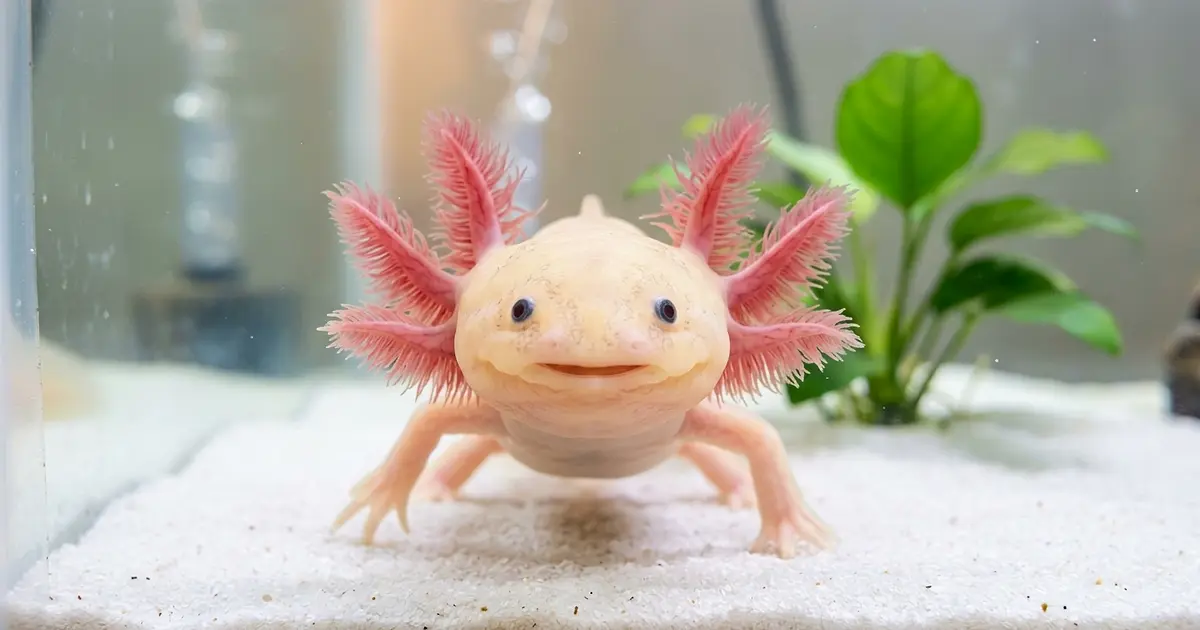
What Is an Axolotl? Facts, Origin & Why They're Special
The axolotl (Ambystoma mexicanum) is a fully aquatic neotenic salamander from Mexico. Species classification, anatomy, cultural significance, and basic facts.
Read more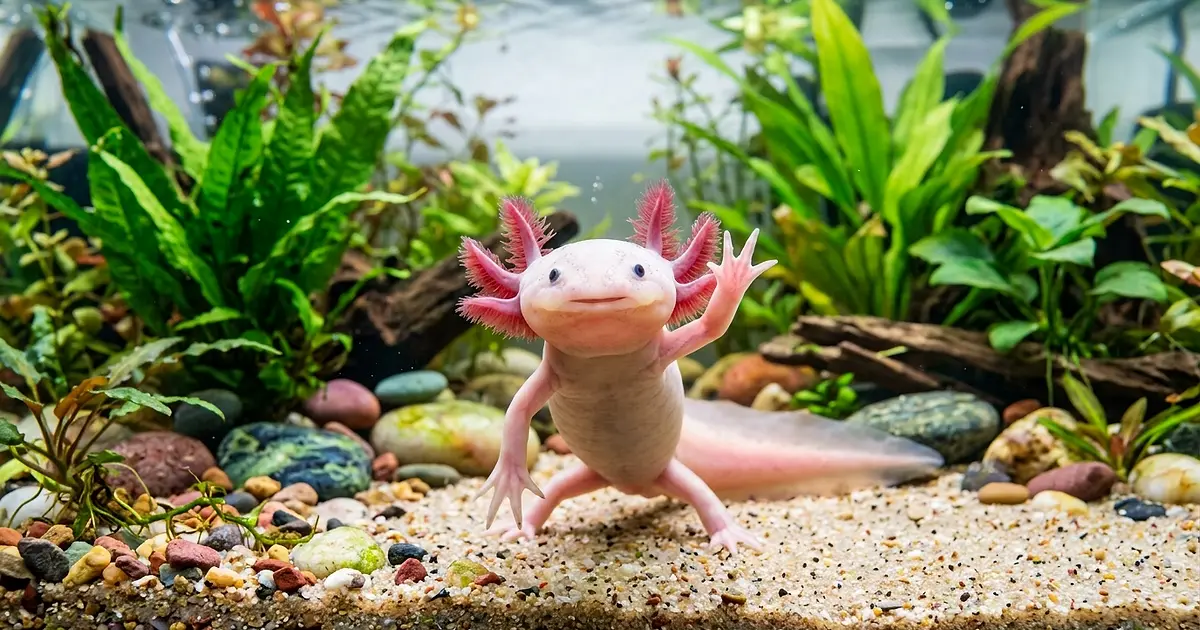
Axolotl Facts: Biology, Habitat & Abilities
Key axolotl facts covering biology, regeneration, Aztec origins, diet, conservation status, and what makes these aquatic salamanders unique among amphibians.
Read more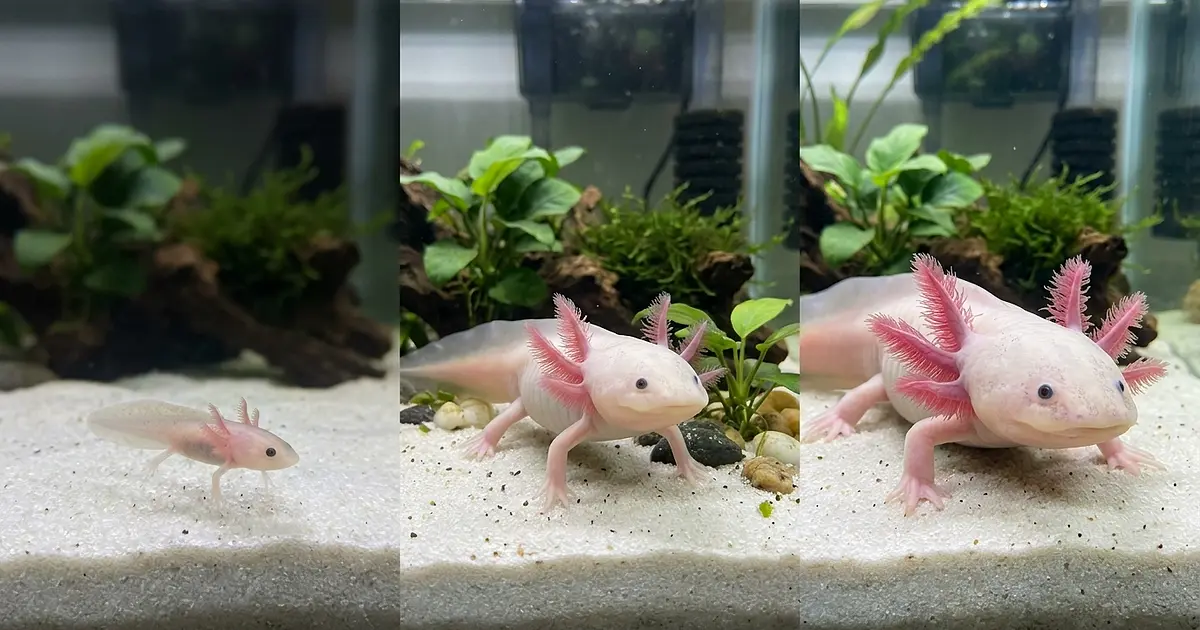
How Long Do Axolotls Live? Lifespan Guide
Axolotl lifespan in captivity averages 10-15 years. Learn what affects their longevity and how to maximize your axolotl's life expectancy.
Read more