
The Short Answer: Blue Axolotls Do Not Exist
"Blue axolotl" is one of the most searched axolotl terms on the internet, with over 18,000 monthly searches in English alone. The fascination is understandable: the photos circulating online are stunning.
But the truth is simple: no axolotl morph produces blue pigment. The vibrant blue-green photos you see are GFP axolotls photographed under specific UV or blue LED lighting. Under normal room light, they look like any other axolotl.
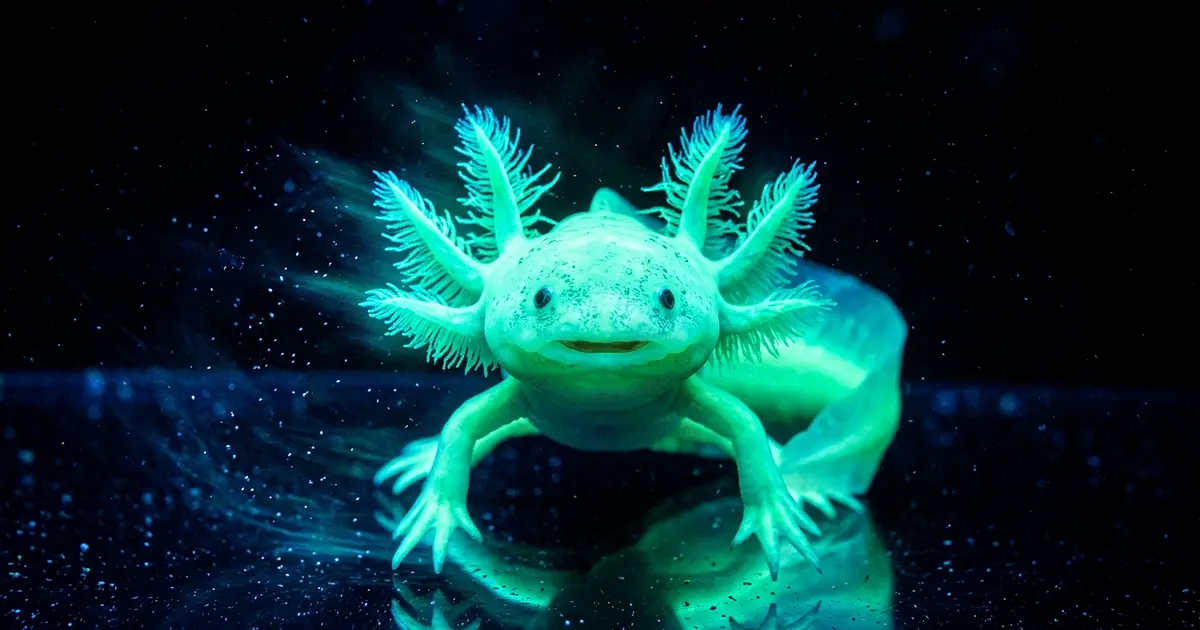
What Is GFP?
Why Axolotls Cannot Be Blue
| Cell Type | Color Produced | Present in Axolotls? |
|---|---|---|
| Melanophores | Black, brown, dark gray | Yes |
| Xanthophores | Yellow, gold, orange | Yes |
| Iridophores | Shiny, reflective, silvery | Yes |
| Blue pigment cells | Blue | No — axolotls lack the nanostructures or pigments needed |
Melanophores
Color Produced : Black, brown, dark gray
Present in Axolotls? : Yes
Xanthophores
Color Produced : Yellow, gold, orange
Present in Axolotls? : Yes
Iridophores
Color Produced : Shiny, reflective, silvery
Present in Axolotls? : Yes
Blue pigment cells
Color Produced : Blue
Present in Axolotls? : No — axolotls lack the nanostructures or pigments needed
The Closest Real Colors to Blue
While true blue is impossible, some morphs have cool-toned coloration:
- Axanthic — lacks yellow pigment, resulting in a blue-gray appearance. This is the closest natural morph to "blue"
- Lavender — a pale purple-gray morph that can appear bluish in certain lighting
- Wild type juveniles — young wild type axolotls sometimes have a blue-ish tint before their adult coloration develops
How to Get the Blue Glow Effect
Buy a GFP morph
From a reputable breeder. GFP leucistic or GFP wild type work best for the blue effect.
Install blue LED strip
Near the tank (not inside). Blue LEDs produce the most dramatic blue-green fluorescence.
View in a dark room
Turn off all other lights for the most vivid glow. Keep viewing sessions short to avoid stressing your axolotl.
Important
The GFP gene is completely harmless and does not affect the axolotl's health, behavior, or lifespan. However, constant bright UV light is stressful. Use it only for brief viewing sessions.
Blue Axolotl in Minecraft
In Minecraft, blue axolotls exist as the rarest variant with only a 1 in 1,200 chance of spawning naturally. This game feature has significantly boosted interest in "real blue axolotls" among younger audiences.
However, the Minecraft blue is purely a design choice. The developers were inspired by the real animal but took creative liberty with the color. In real life, axolotls come in over 20 beautiful morphs, just none of them are blue.
Want a glowing axolotl?
Learn everything about GFP axolotls, including care, pricing, and where to buy.
Frequently Asked Questions
Frequently Asked Questions
Are blue axolotls real?
Can I buy a blue axolotl?
Why do blue axolotls appear in Minecraft?
Related Articles
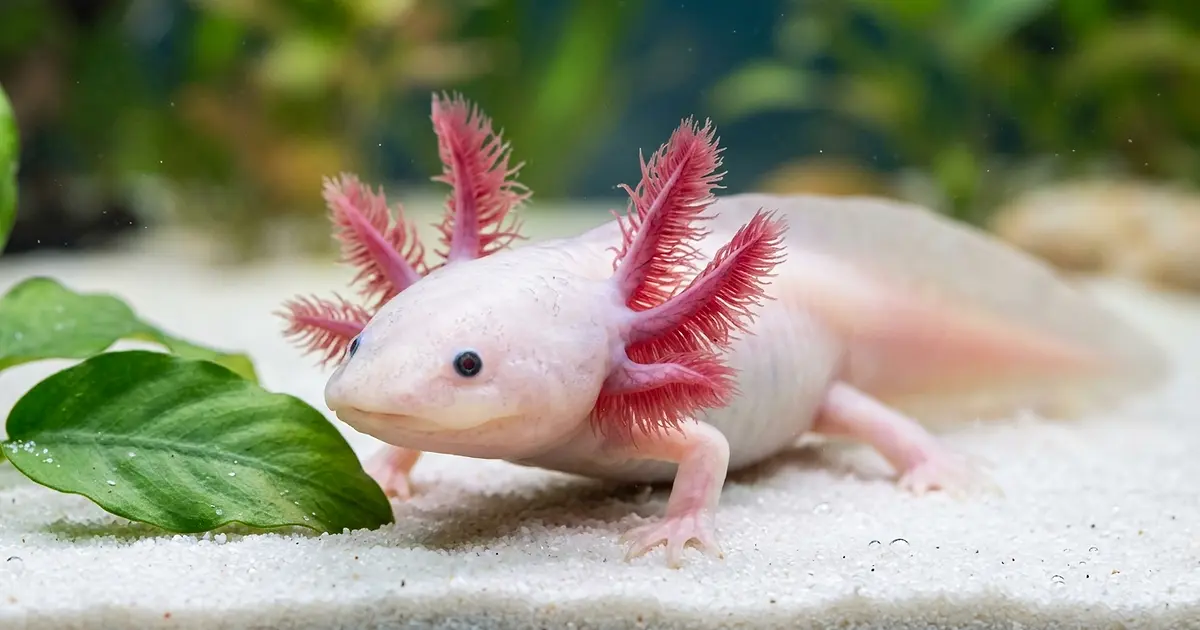
Leucistic Axolotl: The Most Popular Pet Morph
Leucistic axolotl (Lucy): the iconic pink-white morph with dark eyes. Appearance, genetics, dirty Lucy variant, albino comparison, pricing, and care tips.
Read more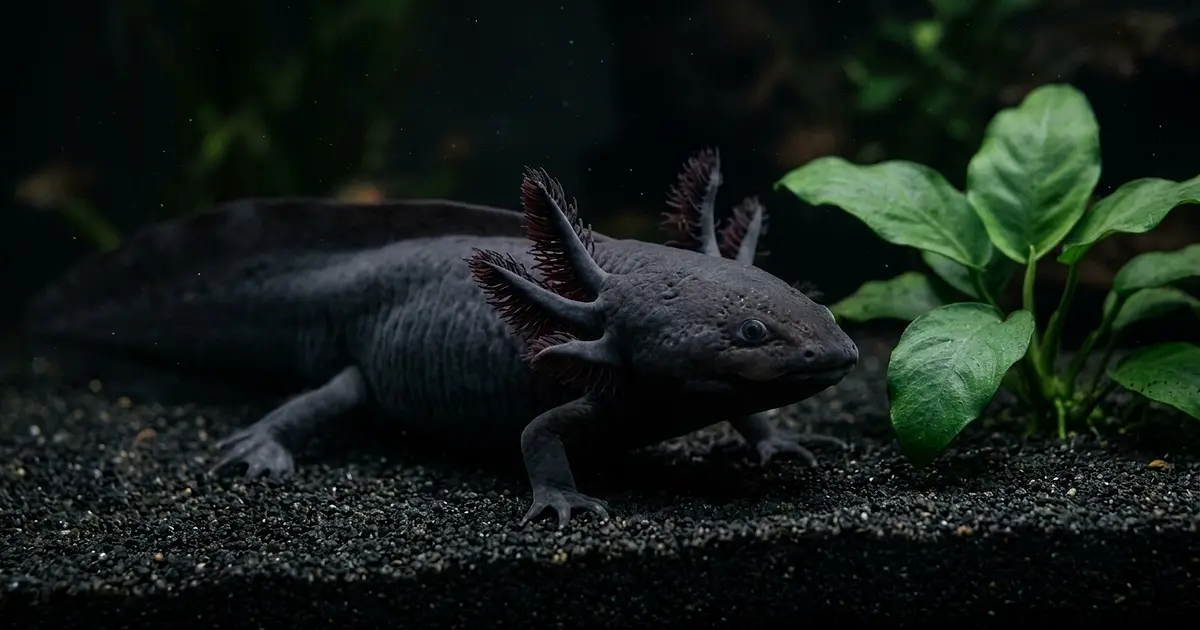
Melanoid Axolotl: The Black Morph Explained
Melanoid axolotl morph: solid black coloration without iridescent spots, melanoid genetics, matte appearance, pricing, and comparison with wild type.
Read more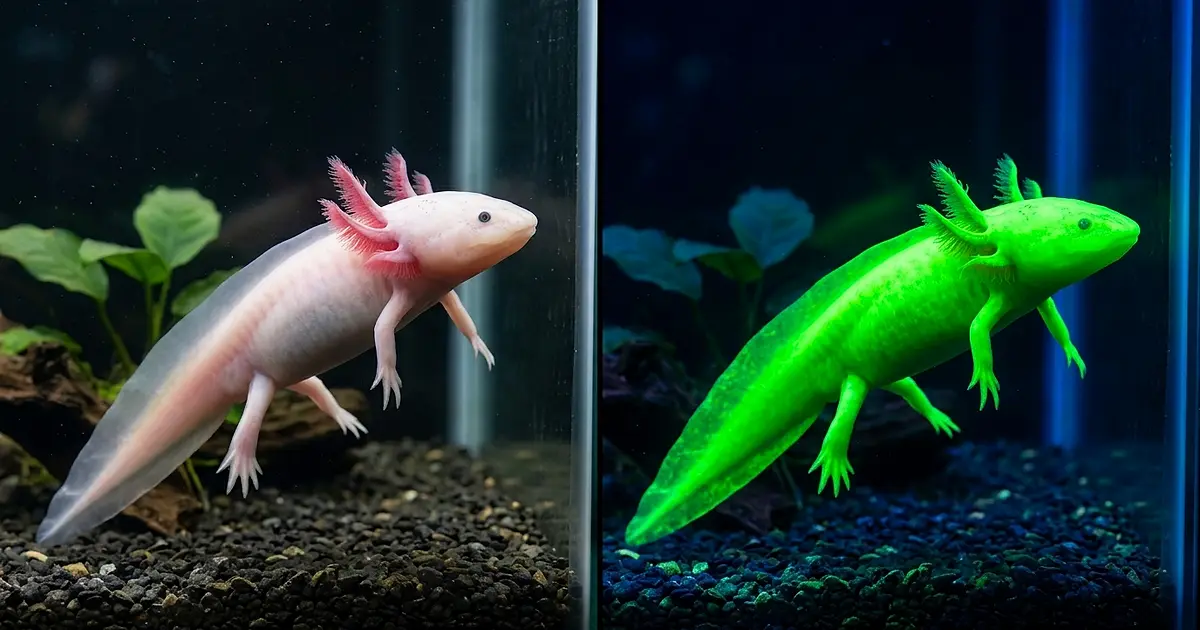
GFP Axolotl: How the Fluorescent Gene Works
GFP axolotls carry a jellyfish gene that makes them glow green under UV light. How it works, which morphs look best, safe UV viewing, and pricing by variant.
Read more