
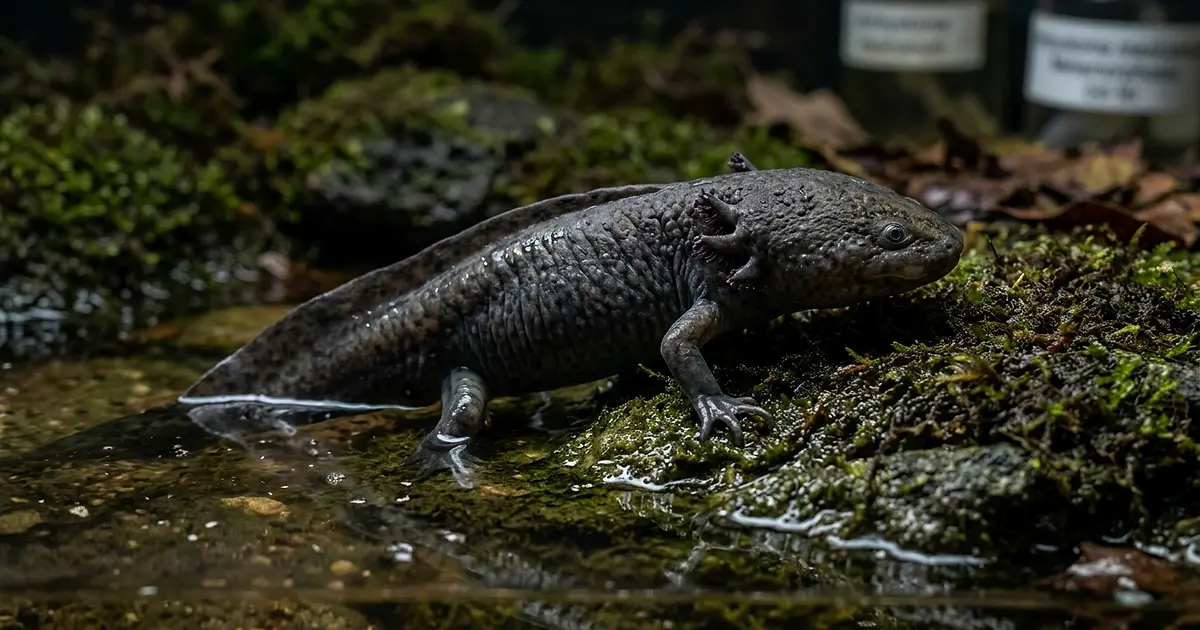
Axolotls are famous for their neoteny: they retain their larval (juvenile) form throughout life, keeping their gills and staying aquatic. But under certain conditions, they can undergo metamorphosis and become land-dwelling salamanders. Here is what that means and why it is almost always a bad thing.
What Is Metamorphosis?
In most salamander species, larvae hatch in water, grow, and eventually metamorphose into terrestrial adults. During metamorphosis, they:
- Lose their external gills
- Develop lungs for air breathing
- Absorb their tail fin
- Develop thicker, drier skin
- Move onto land permanently
Axolotls skip this step naturally. They remain in the larval aquatic form their entire lives because they do not produce enough thyroid hormone to trigger the change.
What a Morphed Axolotl Looks Like
A metamorphosed axolotl is dramatically different:
| Feature | Normal Axolotl | Morphed Axolotl |
|---|---|---|
| Gills | External, feathery | Absorbed (gone) |
| Eyes | Small, flat | Bulging, with eyelids |
| Skin | Smooth, slimy, aquatic | Thick, dry, textured |
| Tail | Finned (swimming tail) | Round, no fin |
| Body shape | Flattened, aquatic | Rounded, terrestrial |
| Habitat | Fully aquatic | Terrestrial (moist environment) |
| Appearance | Looks like an axolotl | Looks like a tiger salamander |
Why Metamorphosis Happens
Forced (Intentional)
Scientists can trigger metamorphosis by:
- Injecting thyroid hormones (thyroxine)
- Adding iodine to the water
- Administering synthetic thyroid compounds
This is done in research settings to study the process. It should never be done by pet owners.
Accidental
Extremely rare, but reported in cases of:
- Genetic variation (some axolotls have slightly higher natural thyroid levels)
- Environmental triggers (certain water conditions, temperature extremes)
- Contaminated water containing thyroid-disrupting chemicals
Why You Should Never Force Metamorphosis
Forced metamorphosis is harmful to the axolotl:
- Dramatically reduces lifespan: morphed axolotls typically live only 1-5 years instead of 10-15
- Extremely stressful: the entire body undergoes radical restructuring
- High mortality rate: many axolotls die during or shortly after forced metamorphosis
- Irreversible: once metamorphosed, the axolotl cannot return to aquatic form
- Ethical concerns: forcing an animal through an unnatural, painful process for curiosity is not responsible pet ownership
What If My Axolotl Is Metamorphosing?
If you notice your axolotl’s gills shrinking, eyes bulging, or skin texture changing:
- Test your water for contaminants
- Check temperature (extreme heat can be a trigger)
- Do NOT add iodine or thyroid supplements
- Consult an exotic vet if changes continue
- If metamorphosis is confirmed, you will need to transition to a terrarium setup with moist substrate, a water dish, and appropriate terrestrial care
Frequently Asked Questions
Frequently Asked Questions
Can axolotls live on land?
What triggers axolotl metamorphosis?
Related Articles
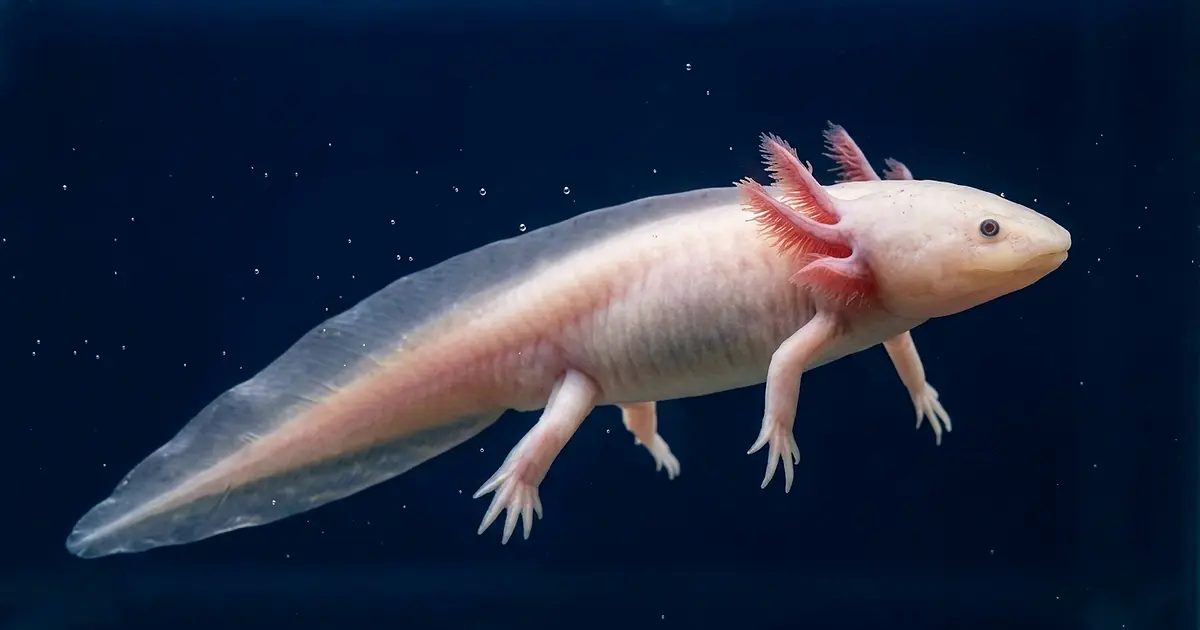
Axolotl Anatomy: Gills, Teeth, Eyes & Body Parts
Detailed look at axolotl anatomy: external gills, teeth, eyes without eyelids, limbs, skin, and internal organs. How their body works.
Read more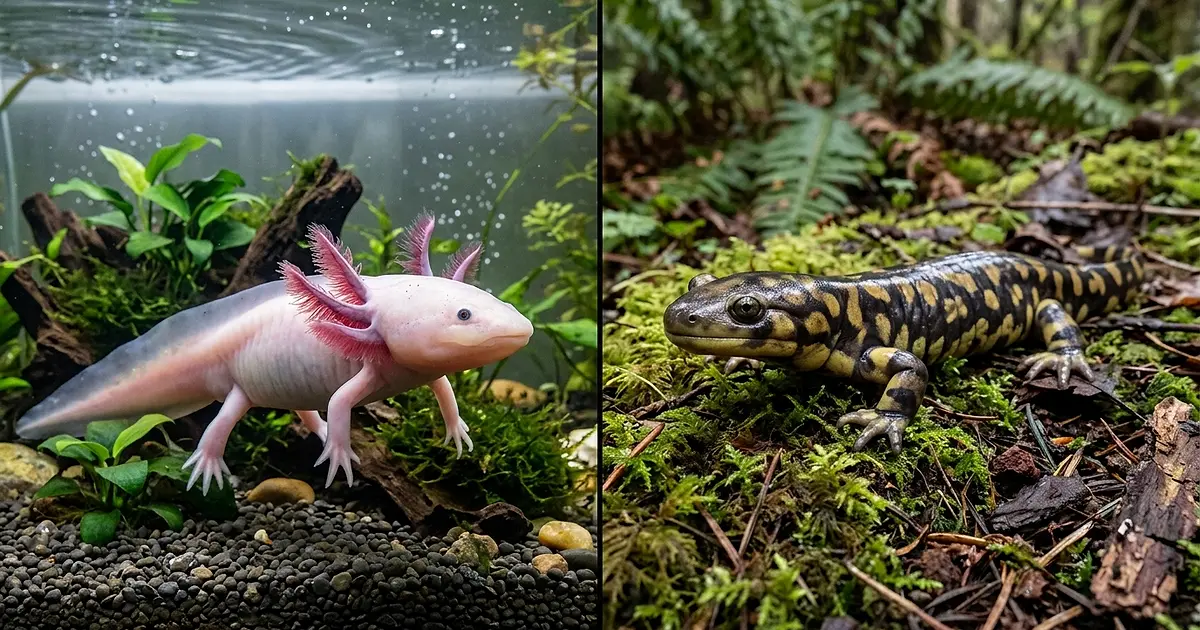
Axolotl vs Salamander: Key Differences Explained
Axolotl vs salamander vs newt: the key differences in anatomy, habitat, lifecycle, and care. Why axolotls are unique among amphibians.
Read more