
Axolotls come in a stunning variety of colors and patterns called morphs. Each morph is the result of specific genetic combinations that affect pigmentation.
There are five main types of pigment cells (chromatophores) in axolotls: melanophores (black/brown), xanthophores (yellow), iridophores (shiny/reflective), and two types that interact to create the incredible range of colors we see.
Common Axolotl Morphs
Leucistic (Lucy)
The most popular morph. Leucistic axolotls have a pale pink or white body with dark eyes. Their translucent skin lets the pink of their blood vessels show through, especially in the gills. They are not albinos because they retain dark eye pigmentation.
Wild Type
The natural coloration found in the wild. Wild type axolotls are dark brown to olive green with gold speckles and a lighter belly. This is the original, most genetically diverse morph.
Melanoid (Black)
Melanoid axolotls are solid dark gray to black with no shiny spots. They have an increased amount of melanophores and lack iridophores entirely, giving them a matte, velvety appearance.
Albino (Golden & White)
Albino axolotls lack melanin entirely, resulting in either a golden yellow (golden albino) or pure white (white albino) body with red/pink eyes. They are more sensitive to light than other morphs.
GFP (Green Fluorescent Protein)
GFP axolotls carry a gene originally from jellyfish that makes them glow bright green under UV/blue light. Under normal lighting, they look identical to their base morph. GFP can be present in any morph.
Copper
A warm reddish-brown morph with lighter spots. Copper axolotls are a form of albinism that allows some non-melanin pigments. They darken as they age and are quite striking as adults.
Rare and Special Morphs
- Mosaic: patches of two different color patterns on the same animal, caused by genetic chimerism during development. Cannot be bred intentionally.
- Chimera: half the body is one morph, half is another, split down the middle. Extremely rare.
- Piebald: leucistic base with irregular dark patches on the body. Highly sought after.
- Firefly: a lab-created morph where the tail glows GFP while the body does not. Not available from regular breeders.
- Enigma: dark body with shiny golden patches, very rare in the hobby.
- Lavender: a pale purple-gray morph, subtle and beautiful.
- Axanthic: lacks yellow pigment, resulting in a blue-gray appearance.
How Axolotl Color Genetics Work
Axolotl color is determined by multiple genes. The four primary genetic loci are:
| Gene | Effect |
|---|---|
| D (dark) | Controls melanophore density |
| A (albino) | Removes melanin when homozygous recessive |
| M (melanoid) | Increases melanophores, removes iridophores |
| Ax (axanthic) | Removes yellow pigmentation |
Breeders combine these genes to create specific morphs. Understanding the genetics helps predict what offspring will look like from specific parent combinations.
Does Color Affect Care?
Most morphs require identical care. The only exception is albino varieties (golden albino, white albino), which are more sensitive to bright light due to their lack of eye pigmentation. Keep lighting dim or provide plenty of hides for albino axolotls.
Articles in This Section
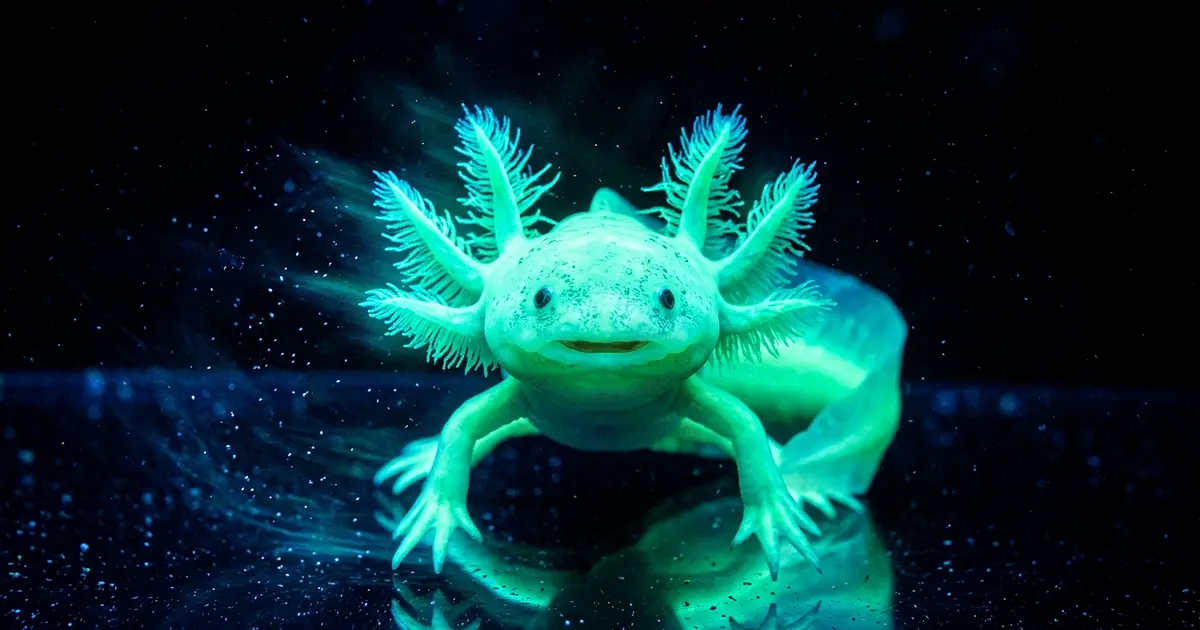
Blue Axolotl: Do They Really Exist?
The truth about blue axolotls. Learn why they appear blue in photos, what GFP means, and which axolotl morphs actually exist in real life.
Read more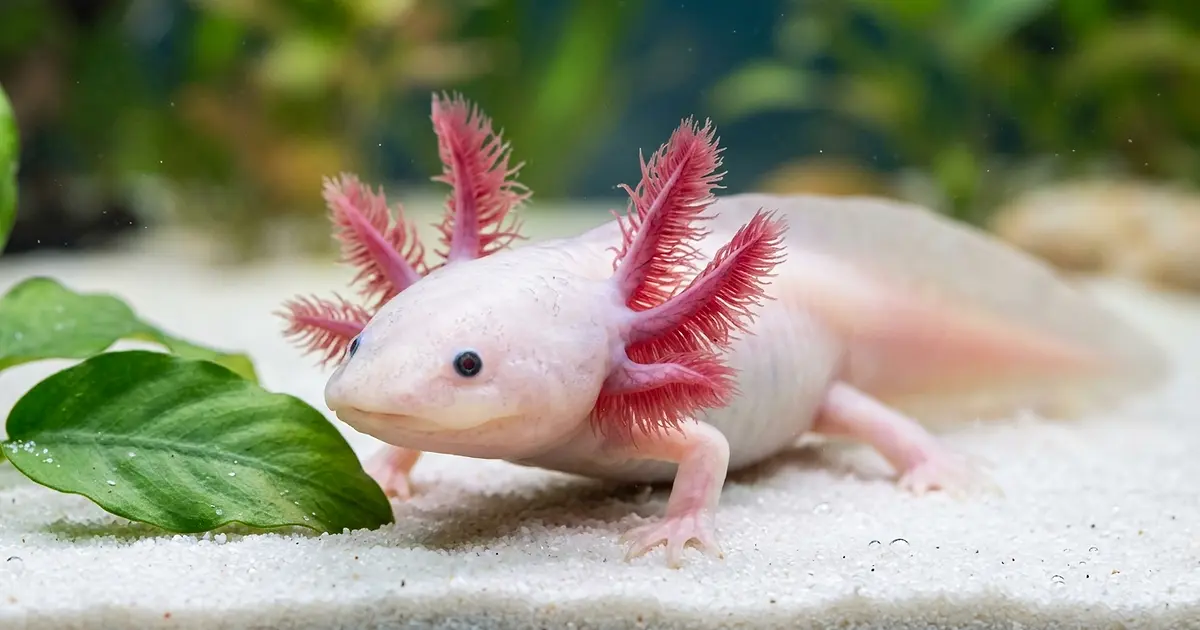
Leucistic Axolotl: The Most Popular Pet Morph
Everything about leucistic axolotls (Lucy): appearance, care tips, price, and how they differ from albinos. The iconic pink axolotl explained.
Read more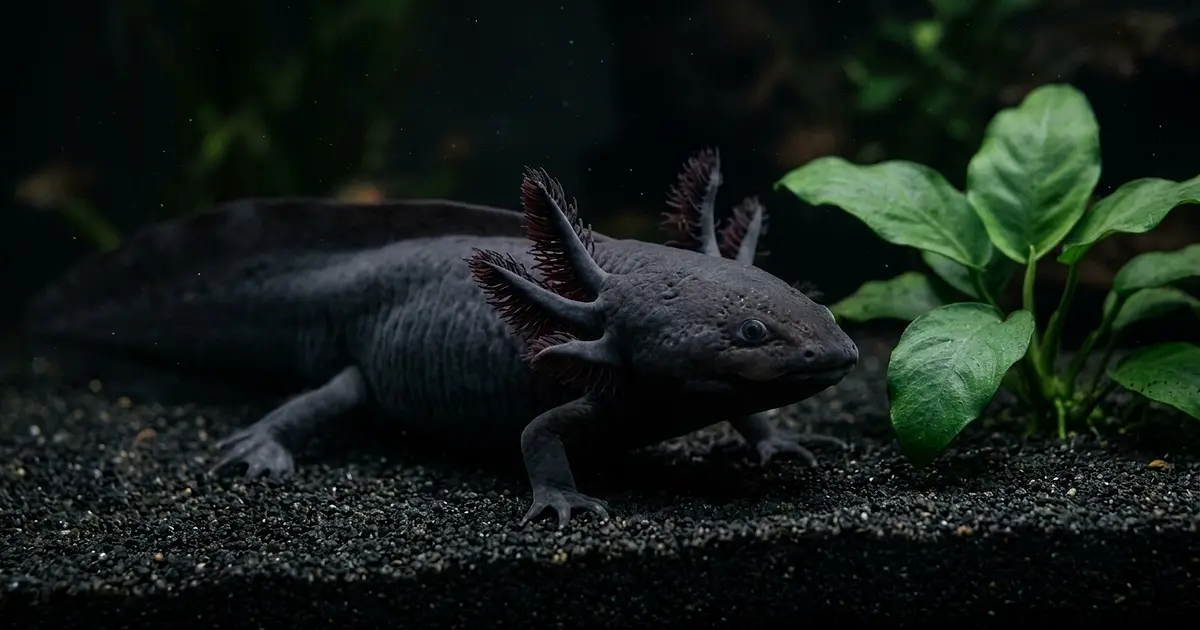
Melanoid Axolotl: The Stunning Black Morph
Everything about melanoid (black) axolotls: their unique appearance, genetics, care requirements, and how they differ from wild type axolotls.
Read more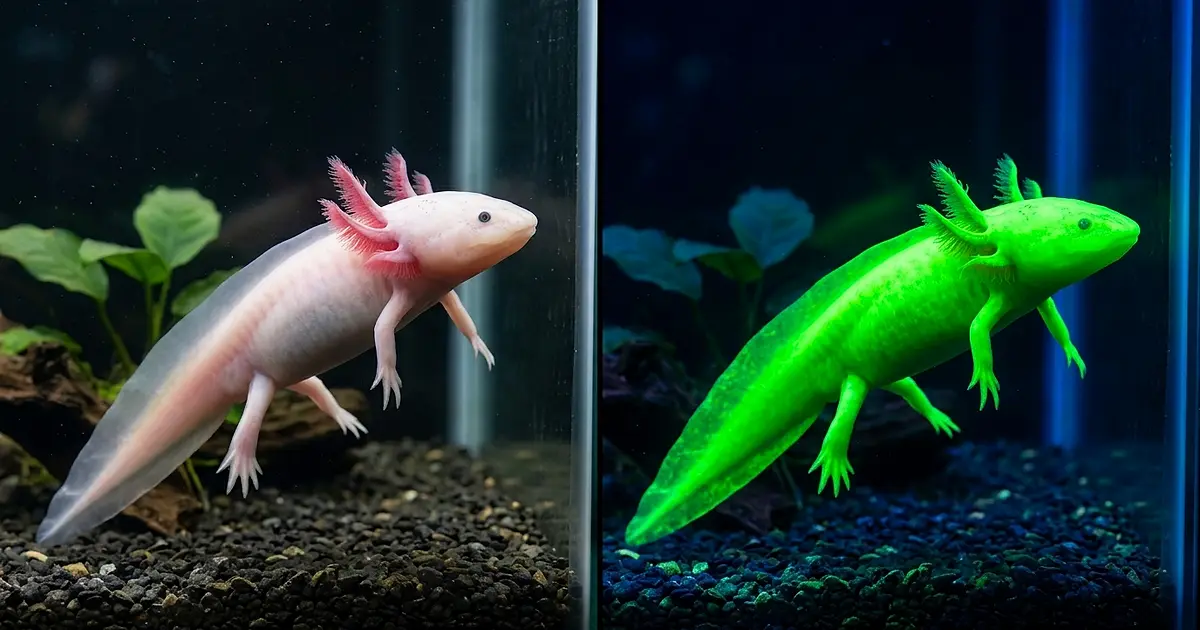
GFP Axolotl: The Glow-in-the-Dark Morph Explained
What are GFP axolotls, why do they glow, and how to care for them. Everything about Green Fluorescent Protein axolotls and UV lighting.
Read moreAlbino Axolotl: Golden vs White Albino Guide
Learn the differences between golden and white albino axolotls. Appearance, genetics, care tips, price, and how to tell them apart from leucistic morphs.
Read moreMosaic Axolotl: One of the Rarest Morphs
What makes mosaic axolotls so rare and expensive. Learn about their split-color pattern, how they form, care needs, and realistic pricing.
Read moreGolden Axolotl: Appearance, Care & What Makes Them Special
Everything about golden axolotls: their warm yellow-gold color, genetics, care needs, pricing, and how they differ from other albino morphs.
Read moreWild Type Axolotl: The Natural Color Morph
Everything about wild type axolotls: their natural dark coloration with gold speckles, genetics, care, and why they are the original axolotl morph.
Read moreCopper Axolotl: The Warm-Toned Morph Explained
Learn about copper axolotls: their unique reddish-brown coloration, genetics, care needs, and how they change as they age. Prices and availability.
Read moreRarest Axolotl Colors: Firefly, Chimera, Enigma & More
Discover the rarest axolotl morphs that money can barely buy: chimera, mosaic, firefly, enigma, and piebald. What makes them rare and where to find them.
Read more