The axolotl (Ambystoma mexicanum) is one of the most fascinating pets you can keep. These fully aquatic salamanders are known for their permanent smile, feathery gills, and remarkable ability to regenerate lost body parts.
Whether you are a first-time owner or an experienced aquarist, this guide covers every aspect of axolotl care to help you provide the best possible environment for your pet.
What Makes Axolotls Unique?
Axolotls are neotenic, meaning they retain their larval features throughout their entire adult life. While most salamanders lose their gills and move onto land, axolotls keep their external gills and stay fully aquatic forever.
This makes them fundamentally different from fish, frogs, or other amphibians. They breathe through their gills, their skin, and occasionally gulp air from the surface.
Basic Axolotl Care Requirements
Here is what you need to successfully keep an axolotl:
- Tank: minimum 75 liters (20 gallons) for one axolotl, plus 40 liters for each additional one
- Temperature: 16-20°C (60-68°F), never above 23°C
- Water: dechlorinated, with stable pH between 6.5 and 8.0
- Filter: gentle filtration (sponge filter recommended)
- Substrate: fine sand or bare bottom (no gravel, which can be ingested)
- Lighting: low to moderate, axolotls have no eyelids and prefer dim conditions
- Hides: at least one hide per axolotl for security
Daily and Weekly Care Routine
Daily tasks:
- Check water temperature
- Observe your axolotl for any signs of stress or illness
- Remove uneaten food and visible waste
Weekly tasks:
- Perform a 20-30% water change using dechlorinated water
- Test water parameters (ammonia, nitrite, nitrate, pH)
- Clean the filter intake if needed
Monthly tasks:
- Deep clean decorations if algae builds up
- Check equipment (filter, thermometer, chiller)
Common Mistakes to Avoid
- Using gravel substrate: axolotls swallow gravel while feeding, which causes impaction and can be fatal
- Water too warm: temperatures above 23°C cause stress, loss of appetite, and increased risk of infection
- Overfeeding: feed adult axolotls 2-3 times per week, not daily
- Strong water flow: axolotls are poor swimmers and stress in strong currents
- Keeping with fish: most fish will nip at axolotl gills, and axolotls may eat small fish
- Skipping the nitrogen cycle: always cycle your tank before adding an axolotl
Is an Axolotl the Right Pet for You?
Axolotls are ideal if you want a low-maintenance, quiet pet with a long lifespan. They do not need walks, make no noise, and are endlessly entertaining to watch.
However, they are not cuddly pets. You cannot hold them, they need consistently cool water, and their tank requires regular maintenance. If you travel frequently without someone to check water temperature, axolotls may not be the best choice.
For everything else, they are rewarding, beautiful, and truly one-of-a-kind pets.
Articles in This Section
How Long Do Axolotls Live? Lifespan Guide
Axolotl lifespan in captivity averages 10-15 years. Learn what affects their longevity and how to maximize your axolotl's life expectancy.
Read moreHow Big Do Axolotls Get? Size & Growth Chart
Axolotls grow to 15-30 cm (6-12 inches) as adults. Complete growth chart from baby to adult with factors that affect size.
Read more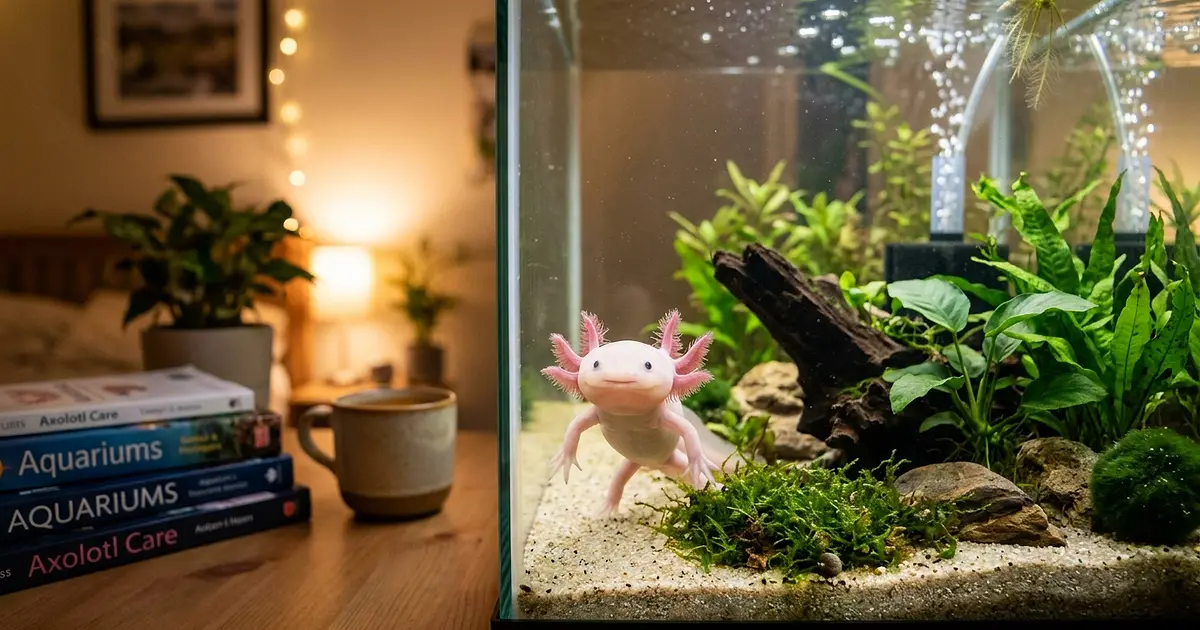
Are Axolotls Good Pets? Pros, Cons & What to Expect
Honest look at owning an axolotl: the pros, the cons, daily commitment, costs, and who they are best suited for. Decide before you buy.
Read moreCan You Hold an Axolotl? Handling Safety
Should you hold your axolotl? Why handling is risky, when it is necessary, and the safe way to do it. Protect your axolotl's delicate skin.
Read moreDo Axolotls Bite? Are They Dangerous?
Do axolotls bite humans? Are they venomous? Everything about axolotl teeth, bite strength, and whether they pose any danger to their owners.
Read more